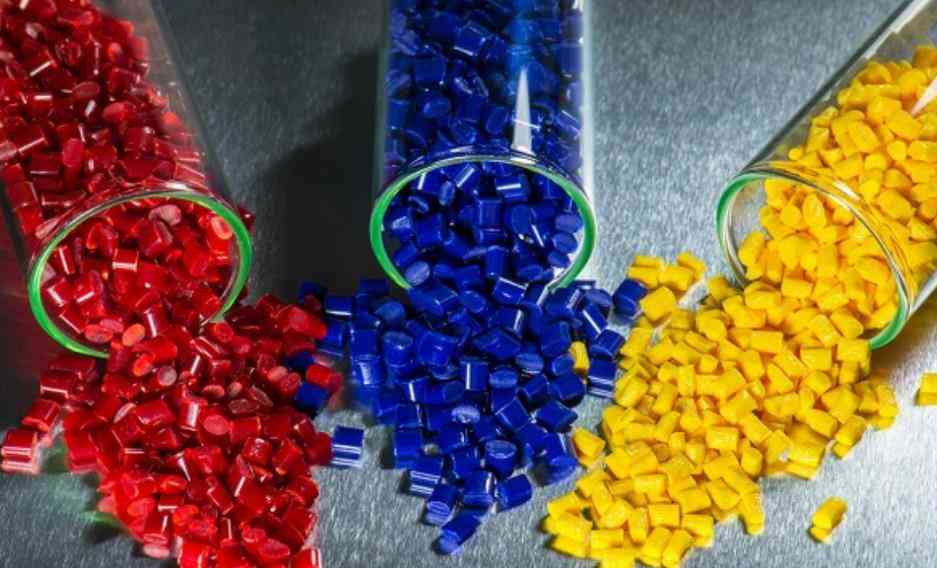
Whether you’re just getting into the world of collectible figures or you’ve been collecting for years with shelves already packed, you’ve probably heard these terms: PVC, ABS, Resin, Polystone, PU, GK…
But what do these materials actually mean? Why do people say PVC deforms easily? Why is ABS hard but brittle? What makes resin statues special? If you’re looking for your first figure or want to avoid costly mistakes, this guide will be your most complete and practical reference on figure materials.
This article isn’t just about “introducing materials” — it’s a tutorial-style guide teaching you:
- How to identify materials by appearance and touch
- How to judge whether a figure is right for you
- How to preserve it to prevent yellowing, deformation, or breakage
- How to predict price and risk based on material
- Common myths and pitfalls
Stop relying on luck when buying figures — after reading this, you’ll know exactly what you’re getting.
1. Why Material Matters: Details Beginners Often Overlook
For figures, material isn’t just about what it’s made of — it directly affects:
- Level of detail: facial expressions, clothing folds, hair strands
- Weight: light or hefty
- Fragility: especially fine parts like fingers or weapons
- Ease of preservation: will it soften, yellow, or powder over time?
- Paint requirements: GK kits often require painting
Many beginners choose a figure only based on character or appearance. But what really determines how long it will last, whether it will deform, or if it will break is the material.
2. Common Figure Materials (Basic Knowledge)
The most common figure materials can be divided into three main types: PVC, ABS, and various resin systems. Here’s a detailed breakdown.
2.1 PVC: The Most Common Figure Material
PVC (Polyvinyl Chloride) is used in most mass-produced figures and scale models.
Characteristics of PVC:
- Flexible and elastic, not easy to break
- Lightweight
- Cost-effective and suitable for mass production
- Ideal for complex poses (e.g., flowing hair, dynamic stances)
- Surface can display soft, full colors
Drawbacks:
- Can deform under heat (common issues: bent weapons, soft feet)
- May yellow slightly over time
- Softer than ABS
Common uses:
- 1/7 or 1/8 scale figures
- Prize figures
- Chibi figures (Nendoroid, prize series)
2.2 ABS: Hard, Supportive Structural Material
ABS (Acrylonitrile Butadiene Styrene) is usually used for:
- Weapons
- Bases and supports
- Small but structurally critical parts
Characteristics of ABS:
- Hard, resistant to bending
- More glossy than PVC
- Suitable for mechanical parts, Gunpla, or articulated models
Drawbacks:
- Very hard but brittle
- More prone to breakage than PVC if dropped
Common uses:
- Weapon parts (guns, swords, effect parts)
- Model joints
- Base or support reinforcements
2.3 Resin (Resin / Polystone): The High-End Collector’s Choice
Resin includes various types:
- Polystone (stone powder resin)
- PU (Polyurethane resin)
- Cold cast
Used for high-end statues and GK kits.
Characteristics of Resin:
- Finest details (statue-level quality)
- Premium texture and “sculpture-like” finish
- Heavy (several times heavier than PVC)
- Often limited edition
Drawbacks:
- Extremely fragile; drops usually mean breakage
- Heavy, making shipping risky
- Generally expensive
Common uses:
- 1/4 or 1/3 scale large statues
- GK kits (require painting)
- High-end limited collectibles
3. How to Identify Material by Appearance and Touch (Practical Tutorial)
Sometimes the box lists the material, but some brands don’t, or you might be buying second-hand without the original packaging. You can use these tips:
3.1 Check the Gloss
- PVC: soft gloss, not very shiny
- ABS: noticeably shiny, reflective
- Resin: matte, “stone-like” surface
If the weapon or base reflects a lot of light, it’s likely ABS.
3.2 Inspect the Detail
Resin figures can display:
- Highly precise facial contours
- Ultra-fine hair strands
- Accurate clothing folds
If the folds and details are sculpted to near-perfect levels, it’s probably resin, not PVC.
3.3 Feel the Material (Handle Carefully)
- PVC: slightly flexible, deforms slightly under pressure
- ABS: hard, no flexibility
- Resin: cold, hard, noticeably heavy
Resin’s weight is a big giveaway — you’ll be surprised at how heavy it feels.
3.4 Structural Clues: Where to Look
- Weapons, stands: mostly ABS
- Body and head: mostly PVC
- Statue base: usually resin or mixed material
Understanding material helps you predict which parts are most prone to breakage.
4. Preservation and Cleaning by Material (Beginner Tutorial)
How you store your figure will determine whether it lasts beyond five years. Here’s how to care for each material:
4.1 PVC Figures
Avoid deformation: Keep away from heat.
PVC softens under heat:
- Direct sunlight
- Above monitors
- Near computer vents
Prevent yellowing: Avoid UV exposure
- Ideal: display cabinet with glass doors, away from strong light
Cleaning:
- Use a slightly damp soft cloth or cotton swabs
- Do not use alcohol — it can dissolve paint
- For sticky surfaces, mild dish soap + water works
4.2 ABS Figures
ABS is hard and less likely to deform but brittle.
Tips:
- Prevent drops — extremely important
- Avoid bending small parts like weapons
- Handle attachments carefully; excessive force can snap ABS
Cleaning: Same as PVC, but extra caution against dropping
4.3 Resin Figures
Resin is very fragile — preservation is critical.
Resin care rules:
- Always use a display cabinet
- Shock-proof (especially for earthquakes)
- Avoid humidity (prevents surface powdering)
- When moving, hold the base with both hands
- Never lift by a single part of the figure
Cleaning:
- Use a soft brush to remove dust (makeup brushes work well)
- Do not scrub
- Avoid water (some resins absorb water)
5. How to Choose Materials: Beginner Buying Guide
If you’re not sure where to start, these tips can help you avoid 80% of beginner mistakes.
5.1 Beginners’ Recommendation: PVC Completed Figures
Reasons:
- Moderate price
- Stable quality
- Not easy to break
- Easy to acquire
This is usually the first figure most collectors buy.
5.2 For High-End Feel: Resin Statues
Suitable for:
- Experienced collectors
- People with display cabinets
- Those who enjoy heavy, high-quality feel
Not suitable for:
- Limited budget
- Small display space
- Not home often (risk of earthquake or accidental drops)
5.3 ABS Parts — What to Watch
If your figure has:
- Long guns
- Large swords
- Effect parts
Pay attention to breakage risk.
Suggestions:
- Don’t force attachments
- Disassemble small parts for storage (wrap them)
- Don’t apply too much force when posing
6. Debunking Common Myths (Avoid Being Misled)
Myth 1: Heavier means better quality?
- Wrong. Heavy could be resin, or just a solid base. Weight ≠ quality.
Myth 2: PVC always yellows?
- Most yellowing comes from UV exposure, humidity, or plasticizer evaporation. Proper care keeps PVC looking fine for 5–10 years.
Myth 3: Resin is the best material?
- Resin has the best details but is fragile and risky to transport.
Myth 4: ABS is “superior” to PVC?
- ABS is just harder, not “better.”
- PVC: shape and flexibility
- ABS: structure and support
Both have their purpose.
7. Knowing Materials = Avoiding Pitfalls
Once you can distinguish PVC, ABS, and resin, you can:
- Quickly gauge a figure’s value
- Predict fragile points
- Avoid low-quality bootlegs
- Pick the figure that fits you best
- Better preserve and clean your collection
Whether you’re a beginner or an experienced collector, learning to identify figure materials ensures a safer, longer-lasting collection.
New to collecting? Keep your wallet safe.
Already deep in the hobby? Time to expand your display cabinet!